
The community trinity ends with Kindness. I saw two films this week, both filled with both kindnesses and suffering: James Cameron’s Avatar: Way of Water, and Darren Aronofsky’s The Whale. Like most tent pole movies these days Avatar gleefully depicted the violent deaths of hundreds of beings, most of them celebrated as glorious victories of protagonists over antagonists, which has sadly been seeping into popular culture ever since the Bard quoted Henry’s “We few, we happy few, we band of brothers…”. But Cameron, has controversially articulated his inspiration for this series to be an idea that if native Americans could have seen how badly it would turn out for them they might have fought harder.
It’s a ridiculous idea. Many Native Americans, most particularly the plains tribes, fought quite ferociously in keeping with their own centuries-old warrior ethos. Ironic and largely unacknowledged by the prevailing and simplistic Marxist paradigm of blameless victims exploited by remorseless oppressors, most settlers were poor emigrants more likely hoping to enlist the local knowledge of the indigenous peoples to help them survive a hostile wilderness. I suspect being confronted by that warrior ethos with its tradition of absolute warfare where the torture, scalping and murder every member of an enemy tribe was routine. As racist and horrific as it is, I doubt if the “only good indian is a dead indian” meme would have become so ascendant were it not for the how incomprehensible such violence would have seemed to the european settlers. More, or more ferocious, fighting would not have made it better, and is actually part of what made it so bad.
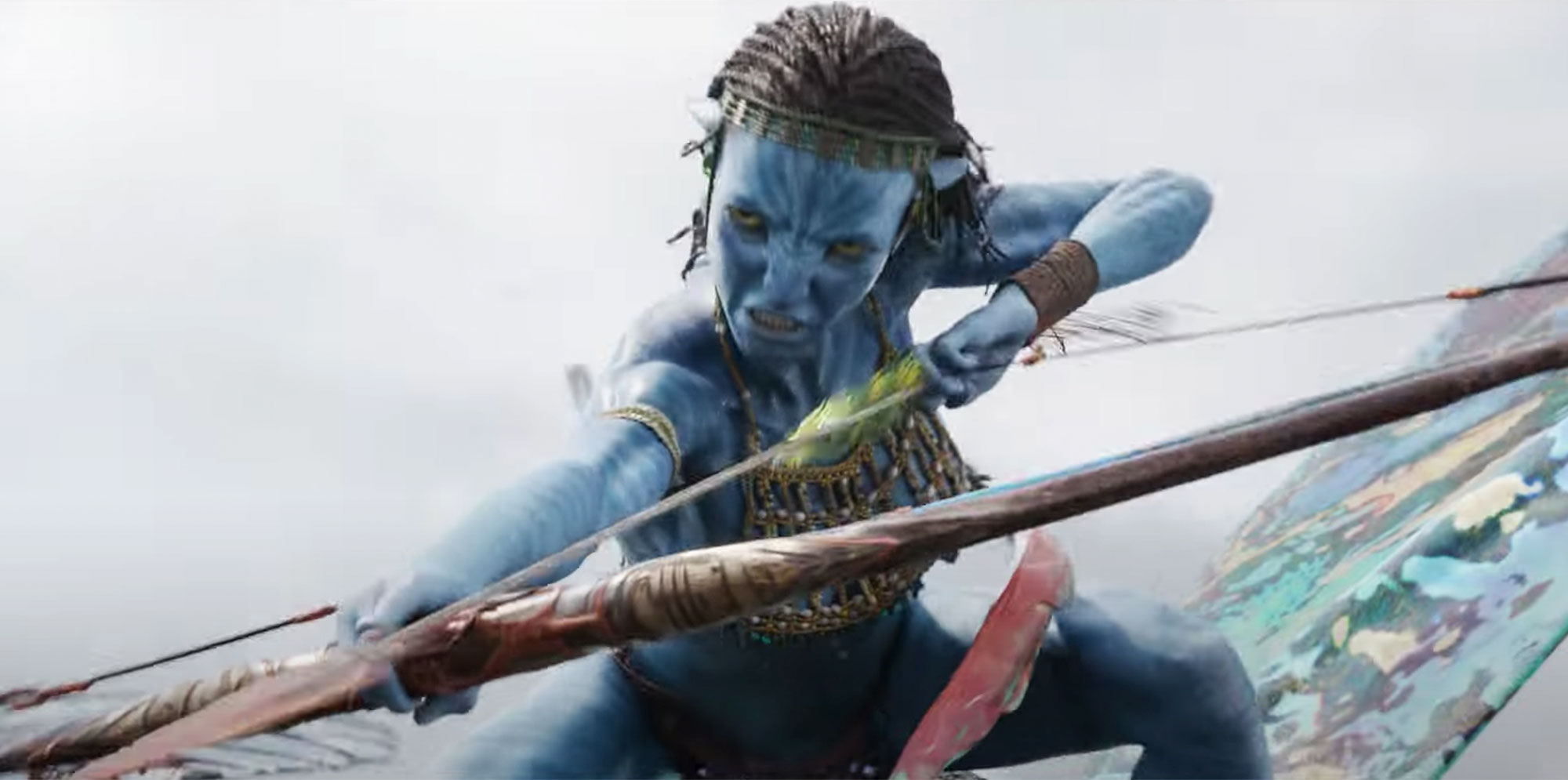

But just like Henry’s band of brothers at Agincourt who held their manhood precious over the french blood they had shed, we rise for the narratives that feed our egos and confirm our biases, not the ambiguous, nuanced (and… sigh) boring ones that try to objectively assess the actual outcome of their plot arcs, especially the cruel and violent ones. Cameron’s Na’vi are sure to be back to wage a genocidal war that expels the evil oppressors. The messy ends of these false but comforting narratives have trapped we proud apes into repeating cycles of conquest, with most of us looking to win rather than to break the cycle.
The Whale, one the other hand, is the rare tale that sabotages any effort we may make to identify the victims and victors. It holds up small kindnesses and demonstrates the the ways these can become escape ramps from the spiraling highways to hell too many of us find ourselves on. It’s a clumsy film, with its stagey origin way too much in the foreground, and despite one of the most astonishingly physical and convincing performances I have ever seen, its theme about kindness will be lost on most of the small audience it will garner, and even this tiny cheaply made film, may not earn back its meager budget.
The first time in my life, which I have mentioned before in these essays, that I grokked the power of kindness over animosity was in Frank Capra’s Lost Horizon, when Sam Jaffee’s ancient dali lama of Shangri La distilled the whole ethical framework of their utopia to simply “Be Kind”. My 8 year old brain thought, ‘surely it can’t be that simple’, and of course it is not, but it lead me to explore the idea throughout my life, and while certainly no panacea for the evils of humanity, I have seen its healing power proven time and time again. Kindness remains one of the most powerful tools we have against the hell we make for ourselves and each other. Please try to be kinder, especially in this virtual space where snark and cruelty are too easy and too entertaining.
Happy Kindness,
Happy Holly Days

 HOLLY DAYS