
I believe this end point of Holly Days, Redemption, is also the actual psychological endpoint of the archetypal hero’s journey, and I love well-motivated antagonist redemption arcs.
Rey is finally old enough that I am able to introduce her to the joys of being a cineaste. We’ve seen a couple of beautiful animated movies together recently, The trivial but psychedelic Trolls Band Together, which Rey loved, and Wish, which was a little scarier for her.
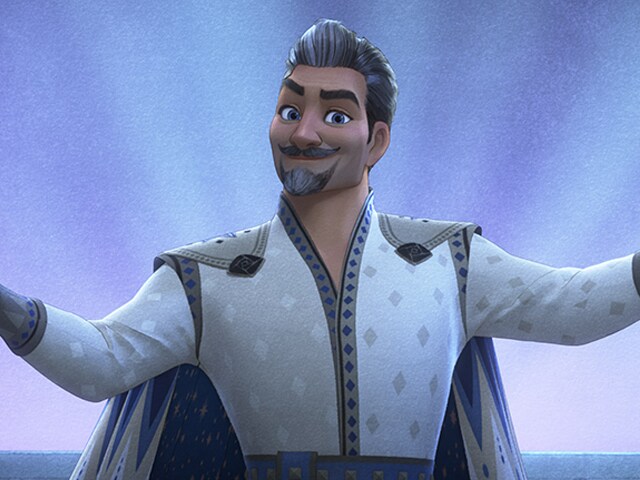
Wish is Disney’s first original story, and mostly just a big easter basket full of references to every Disney film ever made. They apparently had a spreadsheet with over 150 records, one for each reference, and searching for them is one of the charms of the film. However, there was a moment that angered me: when it is explicitly stated that villains are always irredeemable–that once one touches evil there is no coming back. Anyone who has ever heard Amazing Grace can hear that this is not true, and I’m not exactly sure why they wanted to add such a statement. None of the classic Disney films redeemed their villains, which is common, and indeed a forced happy ending with an unconvincing deus ex machina redemption of an antagonists is awful storytelling, but in kid’s movie the claim that it was an impossibility strikes me as irresponsible.

There is a self righteous cultural trend to harshly judge the transgressions of public figures, often even of historic figures held to modern standards. Social media has a guilt-by-association theme where anyone defending or connected to a canceled villain is condemned as well. I suppose Chris Buck et al’s rejection of redeemability might be an effort to not be seen as platforming bad guys, maybe a political comment on the necessary virtue of cancelation, I have no idea, though I wish someone from the Wish writing team would explain this decision.
Indeed most antagonist redemption arcs, such as for Jevert, Anakin, or Roy Batty, include their death and sacrifice. There are also mental illnesses such as sociopathy and psychopathy where redemption is likely impossible, but in the case of Magnifico, the antagonist king in Wish, they carefully set up his arc with a flashback to his founding of the kingdom of Rosas in his youth, showing him as a compassionate and benevolent altruist. His arc follows of the corrupting influence of power and danger of ego, which is fine if pretty poorly motivated here. Most folks who take such a path of greed and self aggrandizement do fail to reform and Magnifico’s imprisonment is justly deserved. Redeeming him would have weakened the the strength of the message, but do you have to trash the very idea of it?
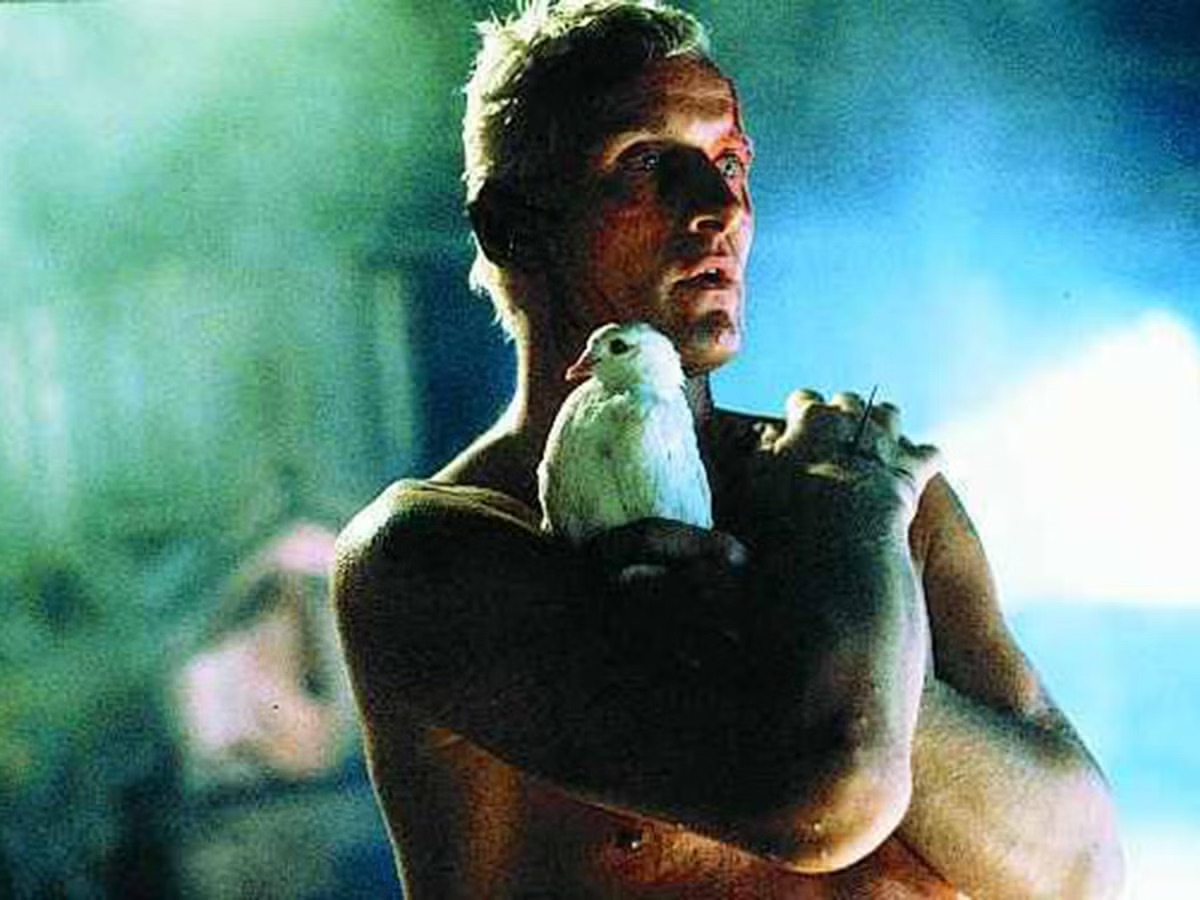
So here at the end, just as I think every good story should end, at least for its protagonist, we celebrate the joy and power of being redeemed.
Happy Holly Days &