
TRUTH
In these times where citizen-posted video has become so ubiquitous, I want to hammer home this nugget of media literacy: ALL VIDEO LIES. There are two key concepts central to the creation of meaning in cinema: mise en scene, and montage. Mise en scene means literally, setting the stage, more specifically in cinema, it is the choice of what is shown and not shown in the frame. Montage is the choice, timing, and juxtaposition of shots.

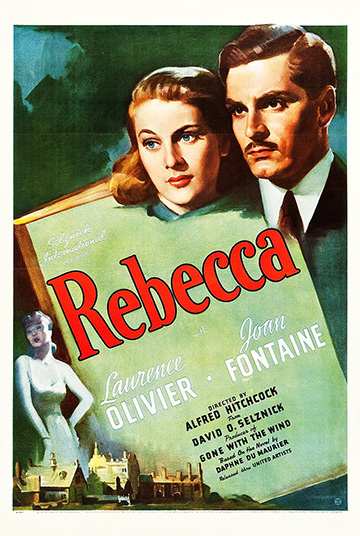
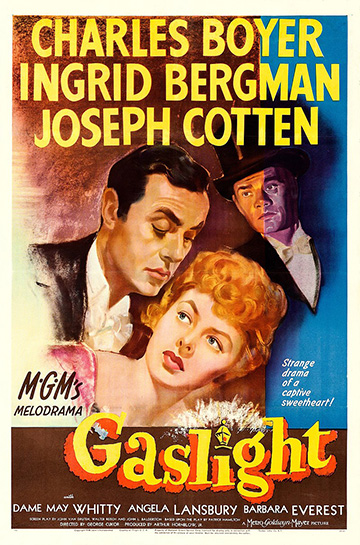
Terry Southern wrote a great description of how subtly these can affect the meaning of a film in his novel Magic Christian. Guy Grand, the eponymous prankster of the book, buys the copyright of a major Hollywood film, Mrs. Miniver starring Walter Pigeon and Greer Garson. The film, set in blitzed London during WWII, has a fairly dark tone for a love story. Grand edits an scene early in the film where Pigeon is sharpening a pencil with a pen knife while he muses fondly about Garson. He shortens the length of CU of Pigeon’s wistful face and holds on the ECU shot of the penknife. This tiny change adds a foreboding, which is presumably reminiscent of the recent hits, Rebecca and Gaslight. The suggested violence which never materializes taints everything that comes after and completely confuses the audience who nearly riot after the premier. At least that’s how I remember it.
We don’t usually manipulate them so consciously, but which way the cell phone is pointed and when the holder chooses to start and stop shooting are inevitable cinematic manipulations that cannot be avoided and which will always determine what meaning we will take from a viewing. It is amazing to see how many folks are shooting video with their phones during public events, and which person’s footage is chosen will also determine what we experience, not to mention additional editing that might be done after. Few of us would choose to shoot or share video which shows ourselves in a bad light and will choose to shoot and share things that support some view or attitude we already have about the world.
You can easily imagine someone who has committed some bad act which triggers an angry or violent response in another, then starts shooting after the initial incident and shares that video. There is no way in watching such a video we could know about whatever the shooter had done, making them appear to be an innocent victim of an attack.
Racial injustice in America is a problem as old as our founding. It may have been in steady decline, but especially from the perspective of those facing that injustice, any vestige may feel intolerable, and is rightly the target of civil outrage. But by the same token, that outrage is like our experience of having seen Rebecca and Gaslight, coloring how we interpret the mise en scene and montage we may take to be complete reality. Despite the value that our outrage may have in helping progress toward racial justice, I think the truth still matters.

One of the problems with these potential misinterpretations is that the interpretation can then be flipped by our opponents. If someone can post a video from another angle or an earlier period that shows another perspective and shifts the way blame may have been assigned, then any opposition is armed with an easy refutation which can then discredit the movement. Another, and more tragic effect, is that after such misinterpretation, the audience is then watching Mrs. Miniver as thriller instead of a love story, living in a world of malice and danger rather than love and redemption. That’s not a big deal for a couple hours in the cinema, but tragic when it darkens our experience and expectations about the real world.
Our perceptions and cognitions evolved to help us better know the truth about the world we live in. Because by seeing it accurately and understanding its reality has reliably allowed our increasingly sophisticated nervous systems to best adjust how we react and then figure out ways to live safer and better lives. Just because politics may suggest otherwise is no reason to abandon the truth.
A recent incident about which very little is clear is a good case in point. It involves the conflict over a missing cellphone between a woman and black teenaged boy and his father in a Manhattan hotel. The father shot some video which he posted on his Instagram feed and which was picked up by the AP, supporting an ongoing narrative about Karens and false accusations against black men. Most of the video is shaky, showing only fragments of what happened, insuring some ambiguity.
A couple of things are clear, the woman is young and already extremely upset and aggressive, trying to grab what she believes to be her iPhone from the boy. She’s masked so it’s hard to tell her ethnicity, but she’s likely not black. A hotel employee is trying to intervene, physically holding her back, despite which a scuffle eventually ensues in which the woman is finally revealed to be on the ground. During the conflict the dad is heard telling his son not to show the hotel manager his phone and accusing the manager of disrespect for asking. She says “I’m sorry” a couple of times and he says, “you better get on” a few times. The AP story says the woman’s phone was later returned by an Uber driver, that the man and his son were current guests at the hotel, and that the woman had been a guest as well but had checked out a few days earlier and was allowed to leave before the police arrived. The AP story has been picked up by dozens of outlets and the story has been covered by most major news outlets.
All the reporting focuses on his perspective which he has presented publicly with his video and narrative, as that is all that was available at the time of this writing. How she came to think the boy had her phone, what may have been said or done before the video are a mystery for us, but it’s pretty doubtful that she walked into a hotel and randomly accused the first black person she saw of stealing her phone. It’s clear there must, as usual, be more to the story.
LOVE
How hard it must be, especially as the father of a black teenaged boy, to see him accused of a crime with scant evidence. I get why he would feel upset and disrespected, I feel for him, and understand his outrage. Same for the boy, facing what may have been an all too common funny vibe for him. Although as an affluent resident of a Manhattan Hotel, he probably faced less of that than many other black boys. He’s also being given orders by his dad not to show them his phone and may feel caught between wanting to end it and respecting his father.
I get why the woman is upset, especially when traveling, our phones have become essential. I don’t even know how we used to meet up with our friends and family when we traveled, how did we used to get around unfamiliar cites before smartphones? I’m old enough to have been able to manage, but for a young person I can imagine losing one’s phone could be terrifying. I’d be surprised if her anti-black bias didn’t play a part in her suspicion of the boy, but I can’t be sure from what is shown. It is certainly possible there might be other facts that might have lead her to feel suspicious, If I thought someone had accidentally picked up or found my phone, I’d certainly get suspicious if they then refused to show it to me to verity it was theirs.
I feel awful too for the poor manager, trying to sort things out, caught between two folks shouting at each other, and being both expected to resolve the conflict at the same time he is being blamed for it.
I’ve discovered that finding some smidgen of love for every other human, even if I may be angry with them, even when they may seem to be transgressing, remembering the frailties that we all share, is the best way to encourage peace and justice in the world. As good as it may feel to lash out, conflict resolution specialists urge us to de-escalate conflicts, to lower the temperature of an interaction. However our hurt feelings or anger often lead us to heat them up instead.
There’s no question that the boy could have been ended the standoff by showing the manager his phone. It became moot when, luckily for her, the Uber driver returned her phone. Absent that, the boy would certainly have had to eventually show someone his phone. Had he done it immediately he could have avoided the subsequent trauma the dad is understandably upset about. Her accusation, especially if it was based in nothing but racial bias, would have stung, but in repudiating her he could have felt vindicated, and she might have felt ashamed, and being proved wrong, could certainly be held to some account, which might have even helped reduce her bias.
COURAGE
What makes the dad so resistant to ending it by showing the manager the phone? I get he has a valid grievance over feeling profiled, but digging in his heels, escalating the tension and ending up with his son being assaulted was a situation he could easily have prevented. I get why everyone has come to his defense, I get how her accusation would feel like an insult and be interpreted as racist. I get how we all want simple good guy bad guy narratives in which we are always the good guy. But I also think it takes a fair amount of resolve and courage to override whatever emotional rollercoaster our bundle of conflicting cognitive processes are taking us on, and won’t really condemn him for his inability.
It’s risky to show our weaknesses and let others take an upper hand, even when it might not be in our best interest. The masculine honor culture that says that anyone who disrespects us must pay is based in the fear of losing face and power. It may have protective evolutionary roots in a very real history of violence, but now it seems to cause more violence than it prevents. It takes courage to face that fear and take whatever social blows it might cost us. It’s sad and ironic how many young black men have been lost to a similar culture of honor, it does take courage to risk forfeiting one’s life for sake of one’s honor, less to threaten another’s life in the same service.
I hope as the temperature of global anxiety cools we can all find more courage to face the truth with love.
HAPPY HOLLY DAYS

 HOLLY DAYS